

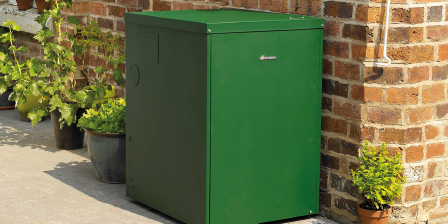
An oil boiler is one of those things most homeowners forget about until something feels off. No heat on a cold morning. Hot water taking longer than usual. Or a faint smell near the utility room that makes you stop and think.
Regular servicing is not exciting, but it is essential. Like maintaining a car before warning lights appear, it keeps your heating system running efficiently and avoids costly breakdowns.
So let us break it down properly. What does oil boiler servicing cost in Ireland, what is actually included, and why skipping it often ends up costing more.
The Average Cost Of Oil Boiler Servicing In Ireland
For most homes, oil boiler servicing typically costs between €90 and €150.
That range depends on several factors:
- Location and travel time
- Age and condition of the boiler
- Accessibility of the unit
- Whether parts need replacing
- Standard service or emergency visit
If small parts such as a nozzle or oil filter are needed, these are usually added to the final price. Minor components may add €20 to €40.
Weekend or emergency call outs generally cost more.
Even so, when you consider what your boiler provides every day, annual servicing is one of the better value household expenses.
What A Proper Oil Boiler Service Includes
A professional service is far more than a quick inspection.
Here is what should normally be carried out.
Visual Safety Inspection
The engineer checks for visible issues including:
- Oil leaks
- Corrosion or rust
- Loose pipe fittings
- Flue condition
- Soot marks or combustion staining
These checks often reveal problems long before they become serious.
Burner Removal And Cleaning
The burner is removed and cleaned thoroughly.
Oil residue naturally builds up over time and restricts airflow. This reduces efficiency and places extra strain on components. Cleaning restores proper combustion.
Nozzle Replacement
Most services include fitting a new oil nozzle.
The nozzle controls how fuel enters the combustion chamber. Even slight wear affects performance. Replacing it annually keeps burning clean and consistent.
Oil Filter Change
The oil filter traps debris from the fuel tank. Over time it becomes blocked, which restricts fuel flow and increases the chance of lockouts.
Replacing the filter helps maintain smooth operation.
Combustion Chamber Cleaning
Soot settles on internal heat exchange surfaces, acting like insulation.
The engineer cleans these areas to improve heat transfer and restore efficiency.
Many homeowners notice better heating output after this step alone.
Flue Gas Testing
A proper service includes flue gas analysis to measure:
- Carbon monoxide levels
- Oxygen content
- Combustion efficiency
This allows the engineer to fine tune the burner for safe and economical operation.
Pressure And Controls Check
System pressure is checked and adjusted if needed.
The following are inspected:
- Thermostats
- Pumps
- Valves
- Safety controls
Everything is tested to ensure correct response.
Final Test Run
Once cleaning and adjustments are complete, the boiler is fired up and monitored to confirm stable ignition, flame quality, and heat output.
Why Annual Servicing Matters
Oil boilers are mechanical systems that burn fuel daily during winter. Dirt builds up. Parts wear. Efficiency slowly drops.
Without regular servicing:
- Heating efficiency falls
- Oil consumption rises
- Components fail sooner
- Lockouts become more common
- Safety risks increase
A serviced boiler runs quieter, cleaner, and lasts longer.
Skipping servicing is like never changing engine oil and hoping the car keeps going.
Can Servicing Reduce Heating Bills?
Yes.
A dirty boiler can lose up to fifteen percent efficiency. That means you burn more oil for the same warmth.
After servicing, many homeowners notice:
- Faster warm up times
- More consistent radiator temperatures
- Reduced oil usage
Over a full heating season, these savings often offset the service cost.
Does Servicing Help Prevent Breakdowns?
Absolutely.
During servicing, engineers regularly catch early signs of:
- Cracked hoses
- Worn electrodes
- Early corrosion
- Weak pumps
- Blocked filters
These are inexpensive fixes when found early.
Left alone, they become winter emergencies.
What About Older Oil Boilers?
If your boiler is over ten to fifteen years old, servicing becomes even more important.
Older systems are more sensitive to dirt buildup and component wear. Regular servicing helps extend lifespan while you plan for replacement.
It also gives clear feedback on condition instead of unpleasant surprises.
Are There Grants Or Supports For Heating Upgrades?
While servicing itself is not grant funded, homeowners improving heating efficiency may qualify for support through the Sustainable Energy Authority of Ireland.
They offer grants for heat pumps, heating controls, insulation, and other upgrades that reduce reliance on oil over time.
How Long Does An Oil Boiler Service Take?
Most services take between forty five and ninety minutes depending on condition.
If someone is finished in twenty minutes, that is not a full service.
When Is The Best Time To Book?
Late summer or early autumn is ideal.
You avoid winter backlogs and your system enters heating season clean and ready.
Signs Your Boiler Is Overdue
Book a service if you notice:
- Rising oil usage
- Strange noises
- Delayed heating
- Soot smells
- Frequent lockouts
- Uneven radiator temperatures
These are warning signs.
Final Thoughts
Oil boiler servicing in Ireland usually costs under €150, yet protects one of the most expensive systems in your home.
It improves efficiency, reduces breakdown risk, saves oil, and gives confidence that your heating is safe.
Most importantly, it turns winter surprises into routine maintenance.