

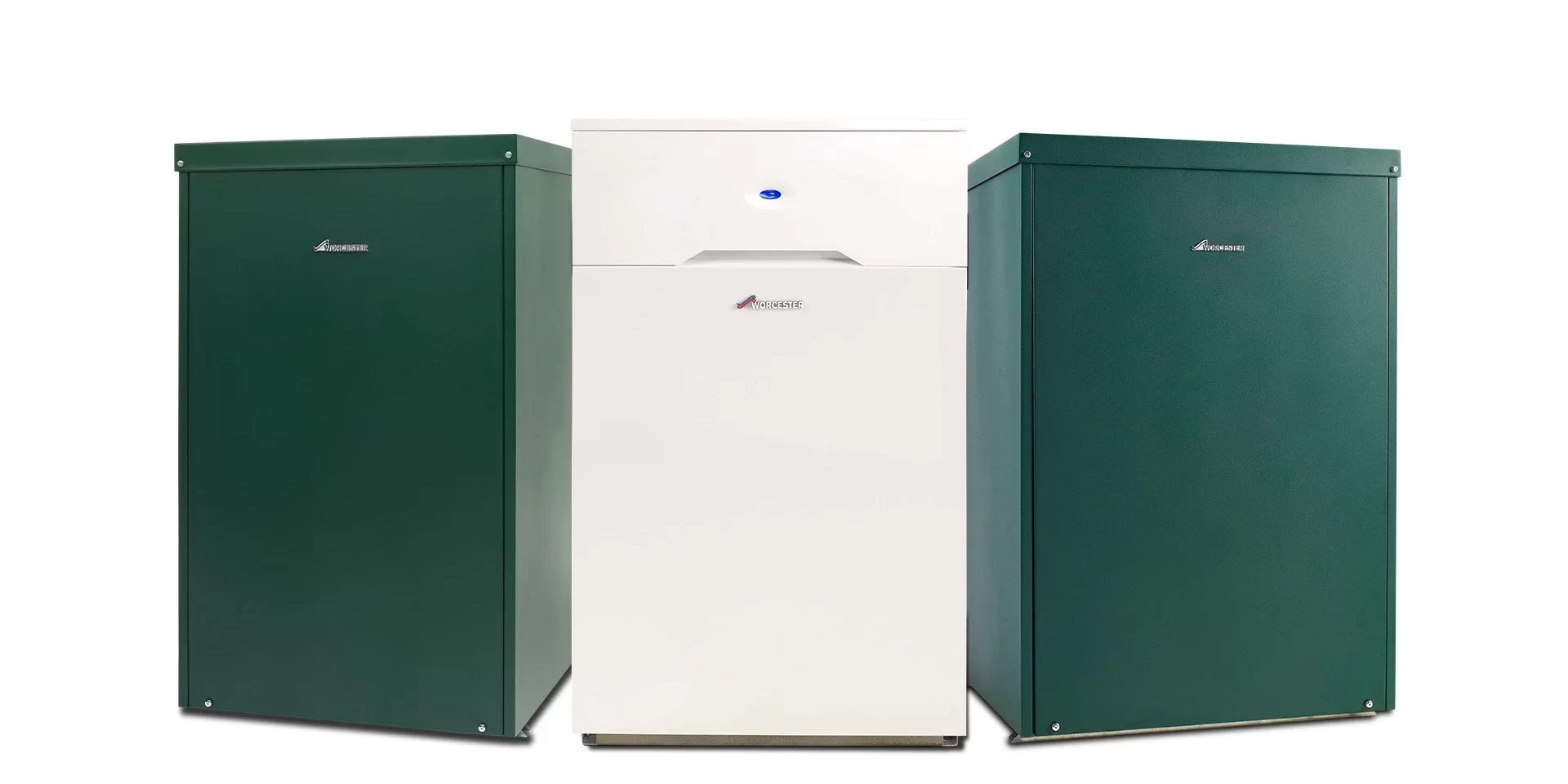
Most people do not sit around thinking about their oil boiler. It lives quietly in a utility room or garage, doing its job, until one day it does not.
That is usually when this question appears.
Do I fix it again, or is it finally time to replace it?
It sounds simple. In reality, it is one of those decisions that sits in the grey zone between money, comfort, and common sense.
Let us look at it from a different angle, not as repair versus replacement, but as short term relief versus long term stability.
Start With How The Boiler Fits Into Your Daily Life
Before talking about age or efficiency, ask yourself something basic.
How dependable has your heating been lately?
If your boiler fires up every morning, heats the house evenly, and gives reliable hot water, you are starting from a strong position. A single fault in that situation is often just that, a single fault.
But if you have been living with:
Cold radiators in certain rooms
Hot water that takes ages
Random lockouts
Strange noises
A general feeling of unreliability
then the boiler is already affecting your day to day comfort. That matters more than most people realise until it improves.
Heating is one of those things that only becomes visible when it stops working properly.
The Real Cost Is Not Just The Repair Bill
A repair invoice might say three hundred or five hundred euro. That is the obvious cost.
What usually gets ignored are the hidden ones.
Extra oil burned because the system is inefficient
Time taken off work waiting for engineers
Stress when the boiler cuts out unexpectedly
Cold evenings while waiting for parts
The creeping feeling that the next breakdown is coming
These do not show up on paper, but they add up.
An older boiler with declining efficiency quietly drains money every month. You might not connect the dots straight away, especially during winter when oil usage naturally rises.
But over a few years, that wasted fuel can rival the cost of replacing the boiler altogether.
Repairs Are Not All Created Equal
There is a big difference between a minor repair and a structural one.
Some fixes are genuinely small:
A blocked nozzle
A faulty thermostat
A circulation pump
A sensor replacement
If your boiler is otherwise healthy, these are usually worth doing.
Other repairs hint at deeper trouble:
Corrosion inside the casing
Cracked heat exchangers
Persistent combustion problems
Repeated burner failures
Once you reach this stage, you are no longer maintaining the boiler. You are keeping it alive.
That is where many homeowners get caught. They approve one repair, then another, then another. Each one feels manageable on its own. Together, they form a slow expensive decline.
Age Tells Part Of The Story
Oil boilers do not have an expiry date stamped on them, but they do follow a general pattern.
Up to ten years old, repairs usually make sense.
Between ten and fifteen years, it depends heavily on condition and service history.
Beyond fifteen years, reliability and efficiency typically drop off sharply.
Some older boilers keep going, but they are almost always using more oil than necessary and are far more likely to fail during cold weather when demand is highest.
Age also affects parts availability. Manufacturers stop producing components, meaning engineers must hunt for alternatives. That increases labour time and uncertainty.
Waiting weeks for a part in winter is not an experience anyone enjoys.
Efficiency Is Where Replacement Starts To Win
Modern oil boilers are significantly more efficient than older models. That is not marketing talk. It is engineering progress.
Older boilers often waste heat through the flue and struggle to regulate output properly. Newer condensing systems recover much of that lost heat and run more precisely.
What does that mean in real terms?
Lower oil consumption
More stable room temperatures
Faster hot water recovery
Quieter operation
For households that use heating heavily, especially larger homes, this efficiency gap becomes noticeable on fuel bills.
It is not unusual for people to see meaningful reductions in oil usage after upgrading, particularly if controls are improved at the same time.
Comfort Is a Bigger Deal Than People Expect
Here is something homeowners often say after replacing an old boiler.
“I did not realise how bad it had become until it was fixed.”
Modern systems heat more evenly. Radiators warm faster. Hot water arrives sooner. The house feels consistent instead of patchy.
It is a bit like switching from an old car with worn suspension to a newer one. You do not notice the gradual decline until it is gone.
If your current system struggles to keep the house comfortable, that alone is a valid reason to consider replacement.
Safety Should Always Sit In The Background
Most oil boilers are safe when maintained properly, but age increases risk.
Internal corrosion
Flue deterioration
Incomplete combustion
Worn safety controls
These are not things you can see easily from the outside.
If an engineer flags safety concerns, that should carry weight in your decision. Heating systems deal with fuel, heat, and combustion. This is not an area where stretching equipment beyond its limits makes sense.
There Is a Psychological Side Too
This might sound strange, but it matters.
Living with an unreliable boiler creates low level stress. You hesitate to go away for a weekend in winter. You listen for strange noises. You worry about waking up to a cold house.
Replacing an ageing boiler removes that background anxiety.
Peace of mind has value, even if it does not appear on a spreadsheet.
When Repair Is Still the Right Call
Let us be balanced.
Repair usually makes sense when:
The boiler is under ten years old
It has been reliable until now
The fault is minor
Efficiency is still reasonable
Parts are easy to source
In those cases, repairing and servicing properly can give many more years of use.
There is no prize for replacing equipment earlier than necessary.
When Replacement Starts Making More Sense
Replacement deserves serious thought when:
The boiler is approaching or past fifteen years
Breakdowns are becoming regular
Oil usage is climbing
Heating feels inconsistent
Major internal components are failing
You are spending money every year just to keep it running
At that point, replacement is not about luxury. It is about stopping a cycle of ongoing expense and frustration.
Think Ahead Instead of Waiting For Disaster
The worst time to replace a boiler is during an emergency.
Choices become rushed. Availability is limited. Costs feel heavier. Everything happens under pressure.
If your boiler is ageing but still operating, planning ahead puts you in control. You can research options, budget gradually, and choose timing that suits you.
Even knowing roughly what replacement would cost removes much of the uncertainty.
A Practical Way To Decide
Here is a simple framework that helps many homeowners:
If repair costs are small and the boiler is relatively young, repair it.
If repair costs are high and the boiler is old, replace it.
If you are stuck in the middle, look at reliability and comfort. Are you confident the system will carry you through the next few winters without drama?
If the answer is no, replacement is usually the wiser move.
Final Thoughts
This decision is rarely about a single fault. It is about patterns.
Patterns of breakdowns.
Patterns of rising oil use.
Patterns of uneven heating.
An oil boiler does not suddenly become inefficient overnight. It fades gradually. Many people only notice once they are already deep into repeated repairs.
Sometimes fixing an old boiler is the right choice. Other times, replacing it brings lower running costs, better comfort, and freedom from constant worry.
The important thing is making the decision calmly, before you are forced into it.
A heating system should quietly support your home, not demand your attention every winter. When it starts doing the latter, it may be time to let it go.