

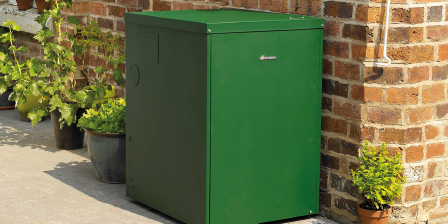
An oil boiler rarely gives up without a bit of notice. Most of the time, it mutters, clanks, hesitates, or quietly costs you more money long before it actually stops working. The problem is that many homeowners brush off these early signs as normal behaviour, especially during colder months when the heating is under pressure anyway.
The truth is, oil boilers are fairly predictable machines. When something starts to go wrong, they usually tell you. You just need to know what to listen for, what to look at, and what changes are not normal. Catching these issues early can save you from a cold house, an emergency call out, or a full boiler replacement that could have been avoided.
Let us walk through the most common early warning signs, what they usually mean, and why ignoring them often leads to bigger trouble.
Unusual Noises Coming From The Boiler
An oil boiler should not be silent, but it should not sound angry either. A steady hum during operation is normal. Anything beyond that deserves attention.
Common problem noises include banging, knocking, whistling, or vibrating sounds. Sometimes homeowners describe it as a kettle boiling or pipes shaking in the walls.
These noises often point to issues such as air trapped in the system, a failing burner, sludge buildup in the heat exchanger, or circulation problems. In older systems, internal components can loosen over time, creating rattles that get worse with each heating cycle.
Noise is one of the earliest signs because it usually starts small. It might only happen occasionally at first, then slowly become more frequent. Waiting until it gets loud enough to be annoying usually means the problem has already progressed.
The Boiler Keeps Switching On And Off
If your oil boiler is cycling on and off more often than usual, something is not right. This behaviour is known as short cycling, and it puts serious strain on the system.
Short cycling can be caused by thermostat issues, blocked filters, faulty sensors, or overheating due to restricted water flow. Instead of running efficiently, the boiler keeps restarting, which wears out components faster and increases oil consumption.
Homeowners often notice this when rooms never seem to reach a comfortable temperature, even though the boiler appears to be working constantly. In reality, it is working inefficiently and struggling to maintain stable operation.
Rising Oil Bills Without Extra Usage
One of the quieter warning signs is a noticeable increase in oil usage with no change in habits. If you are topping up your oil tank more often than usual, especially during similar weather conditions, your boiler may be losing efficiency.
As components wear down, combustion becomes less efficient. The boiler burns more oil to produce the same amount of heat. This often happens gradually, which makes it easy to miss until costs become hard to ignore.
Poor combustion can be caused by burner issues, incorrect air to fuel ratios, dirty nozzles, or internal soot buildup. Regular servicing helps catch these problems early, but when left unchecked, they shorten the lifespan of the boiler.
Delays When Heating Or Hot Water Starts
An oil boiler should respond fairly quickly when heat or hot water is called for. If you notice longer delays before radiators warm up or taps deliver hot water, that delay is often a warning sign.
This can point to circulation pump problems, failing valves, pressure issues, or burner ignition delays. In some cases, the boiler may struggle to fire properly on the first attempt, then eventually catch.
These delays tend to worsen over time. What starts as a mild inconvenience can turn into unreliable heating, especially during cold mornings when demand is higher.
Inconsistent Heating Around The House
Cold spots in certain rooms, radiators that never fully warm, or heating that feels uneven throughout the house can all be signs of boiler trouble.
While some issues relate to pipework or radiator balancing, a struggling boiler often cannot maintain consistent output. This leads to fluctuating water temperatures and uneven heat distribution.
In oil systems, sludge buildup inside the boiler or heating circuit is a common culprit. Over time, debris restricts flow and reduces heat transfer efficiency. This stresses the boiler and increases the risk of component failure.
Soot Or Oil Smells Near The Boiler
Any smell of oil, fumes, or soot around your boiler should never be ignored. A healthy oil boiler burns cleanly and should not produce strong odours indoors.
Oil smells can indicate leaks, damaged seals, or issues with the fuel line. Soot or smoky smells suggest incomplete combustion, which can be dangerous and damaging to the boiler itself.
Even faint smells that come and go are worth investigating. They often appear early, long before visible smoke or staining becomes obvious.
Frequent Lockouts Or Resetting Required
Modern oil boilers are designed to shut down safely when something goes wrong. If your boiler keeps locking out and needs frequent resetting, it is telling you there is a persistent fault.
Common causes include ignition problems, fuel delivery issues, sensor failures, or airflow restrictions. Resetting the boiler repeatedly may get the heating back on temporarily, but it does not solve the underlying problem.
Each lockout event increases wear on ignition components. Over time, this leads to more serious breakdowns and higher repair costs.
Visible Leaks Or Corrosion
Leaks around an oil boiler are never normal, even small ones. Water leaks can corrode internal components, damage electrical parts, and lead to pressure loss. Oil leaks pose environmental and safety risks.
Corrosion on the boiler casing, pipe connections, or flue components often indicates moisture problems or age related deterioration. Rust flakes, damp patches, or staining should be checked promptly.
Many boilers reach a point where corrosion becomes structural rather than cosmetic. At that stage, replacement is often the safest option.
The Boiler Is Over Fifteen Years Old
Age alone does not mean immediate failure, but it significantly increases the risk. Most oil boilers have a typical lifespan of fifteen to twenty years, depending on maintenance and usage.
Older boilers are more prone to breakdowns, harder to source parts for, and far less efficient than modern models. Even if they appear to work fine, internal wear may already be advanced.
If your boiler is over fifteen years old and showing any of the signs listed above, it is wise to plan ahead rather than wait for a sudden failure.
Radiators Need Constant Bleeding
Bleeding radiators occasionally is normal, especially after system work. Needing to bleed them regularly is not.
Frequent air buildup often points to pressure problems, leaks, or corrosion inside the system. In oil boilers, internal corrosion can release gases into the heating circuit, leading to recurring air pockets.
This issue is often overlooked because bleeding radiators feels like a simple fix. In reality, it can signal deeper problems within the boiler or pipework.
The Boiler Struggles More In Cold Weather
All boilers work harder in winter, but a failing oil boiler struggles noticeably more. You might find it takes longer to heat the house, shuts down unexpectedly, or cannot keep up with demand during colder spells.
Cold weather exposes weaknesses in ignition systems, fuel flow, and internal components. Problems that barely show in mild conditions often become obvious when temperatures drop.
If your boiler seems to cope fine in autumn but falls apart in winter, that pattern usually points to an underlying fault.
Why Early Action Matters
Ignoring early warning signs rarely saves money. In fact, it usually does the opposite. Minor faults turn into major repairs. Components fail prematurely. Efficiency drops, pushing up oil bills.
More importantly, some boiler faults carry safety risks. Poor combustion, leaks, and overheating should never be left unchecked.
A timely inspection can often extend the life of an oil boiler by several years. Even when replacement is the best option, early planning allows you to choose the right system, avoid emergency costs, and upgrade on your own terms.
When To Call A Professional
If you notice one or more of these warning signs, it is best to arrange a professional inspection. A qualified technician can assess combustion quality, internal wear, safety controls, and overall system health.
Sometimes the solution is simple, a service, a component replacement, or a system clean. Other times, the inspection confirms that replacement is the smarter long term choice.
Either way, knowledge puts you in control. An oil boiler rarely fails without warning. Paying attention early gives you options, and options save stress, money, and cold nights later on.